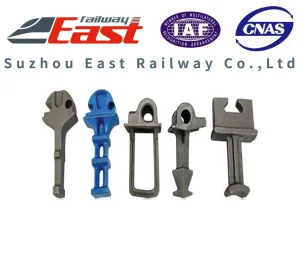
Product Description

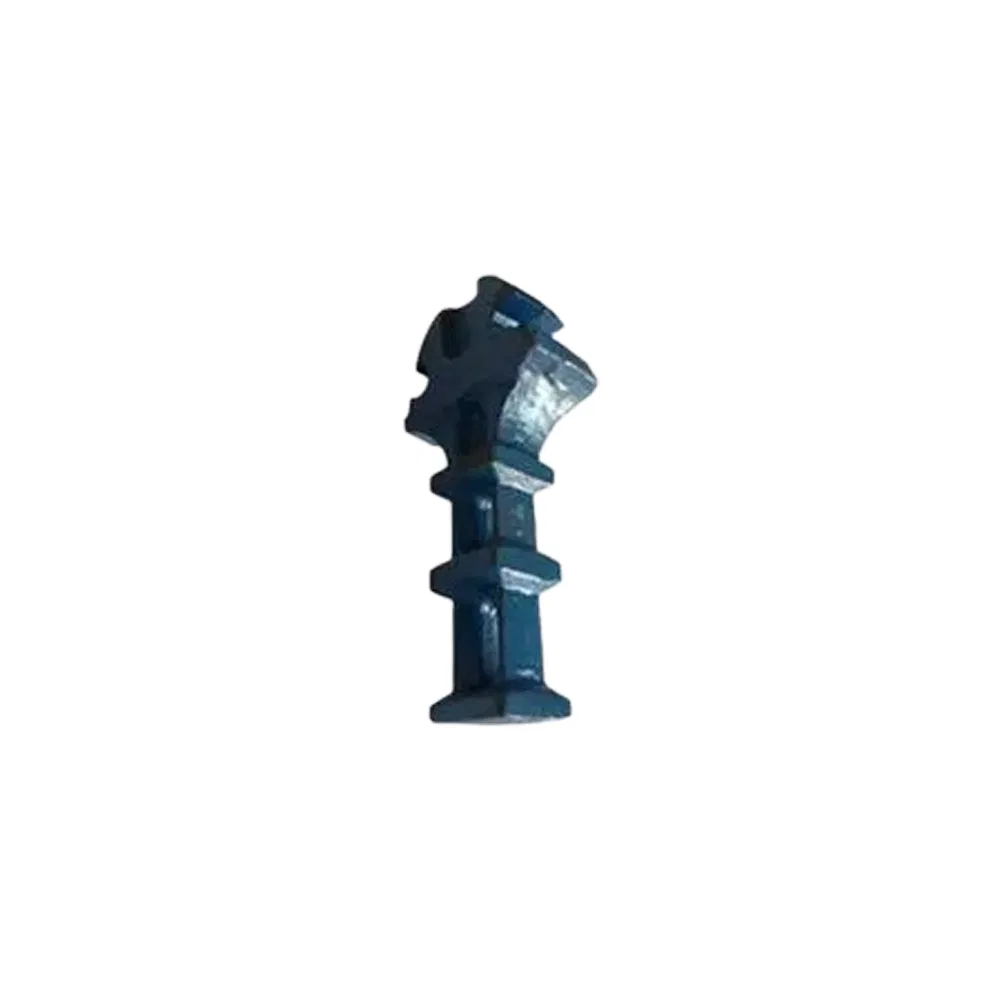
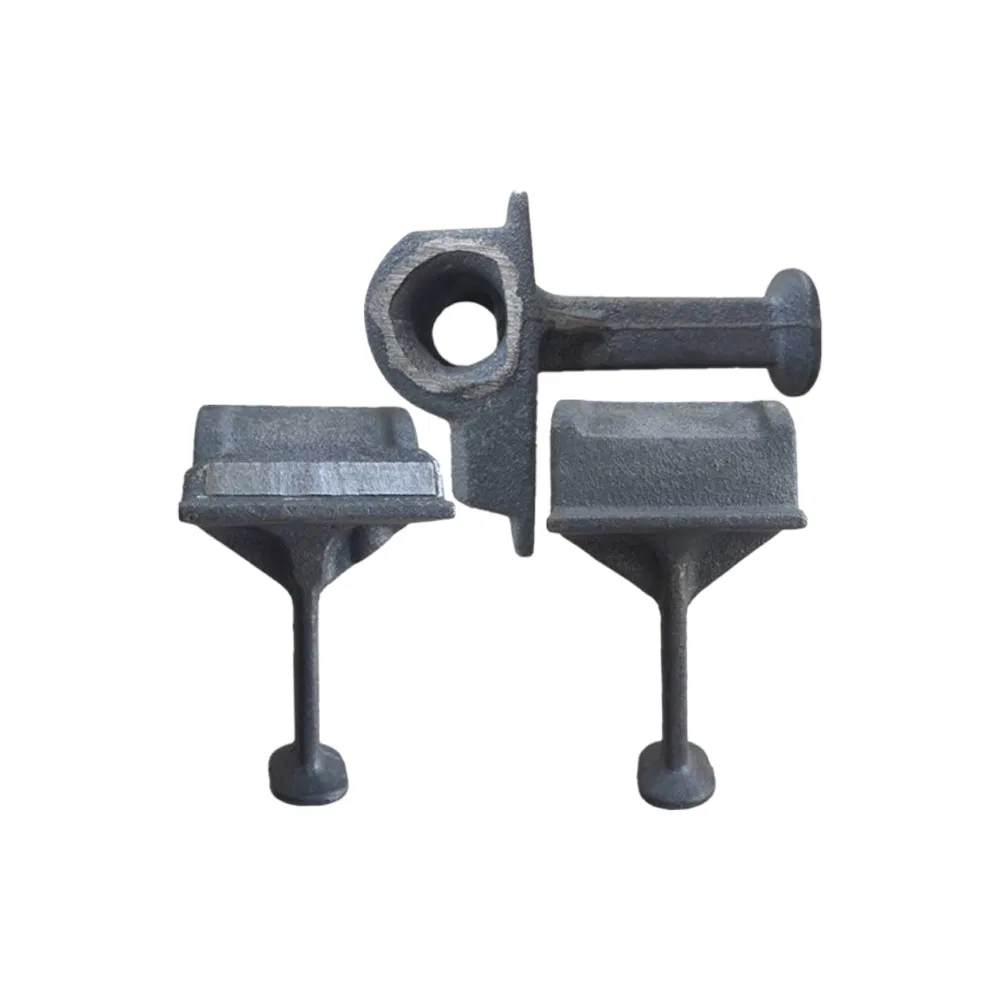
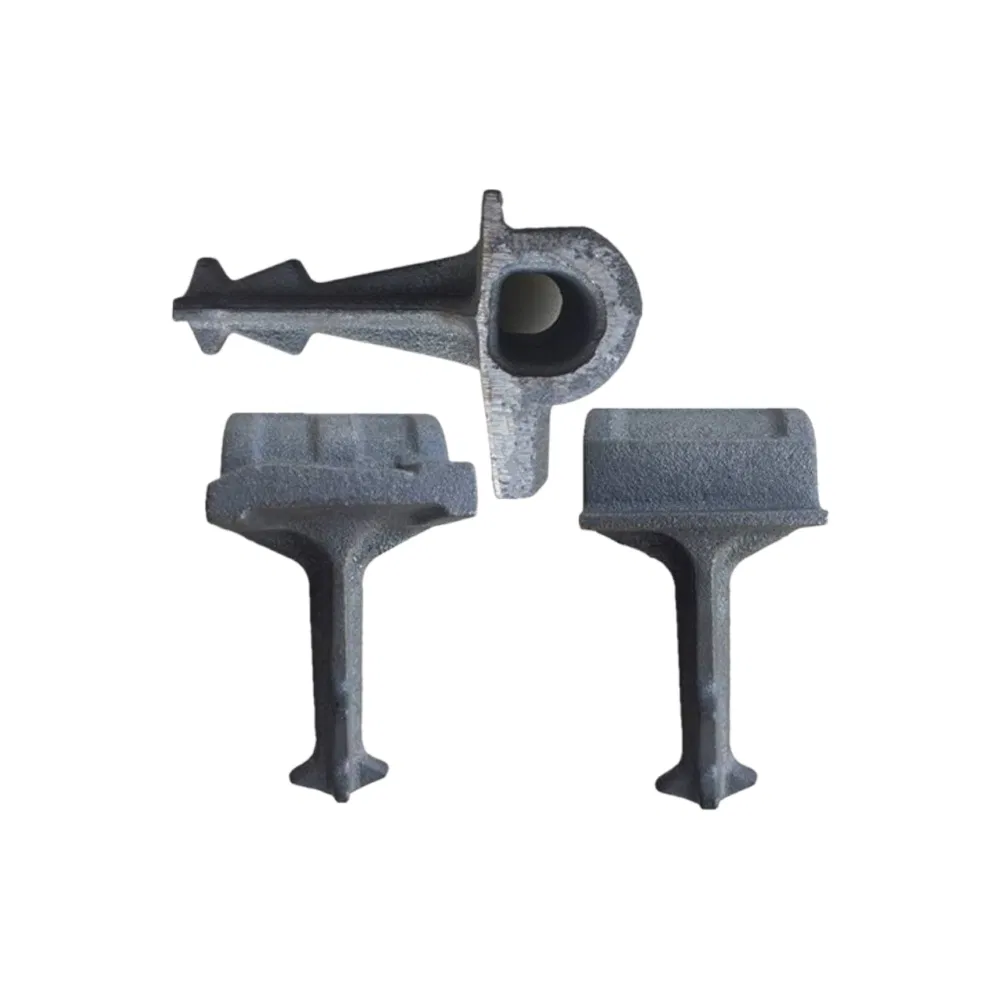
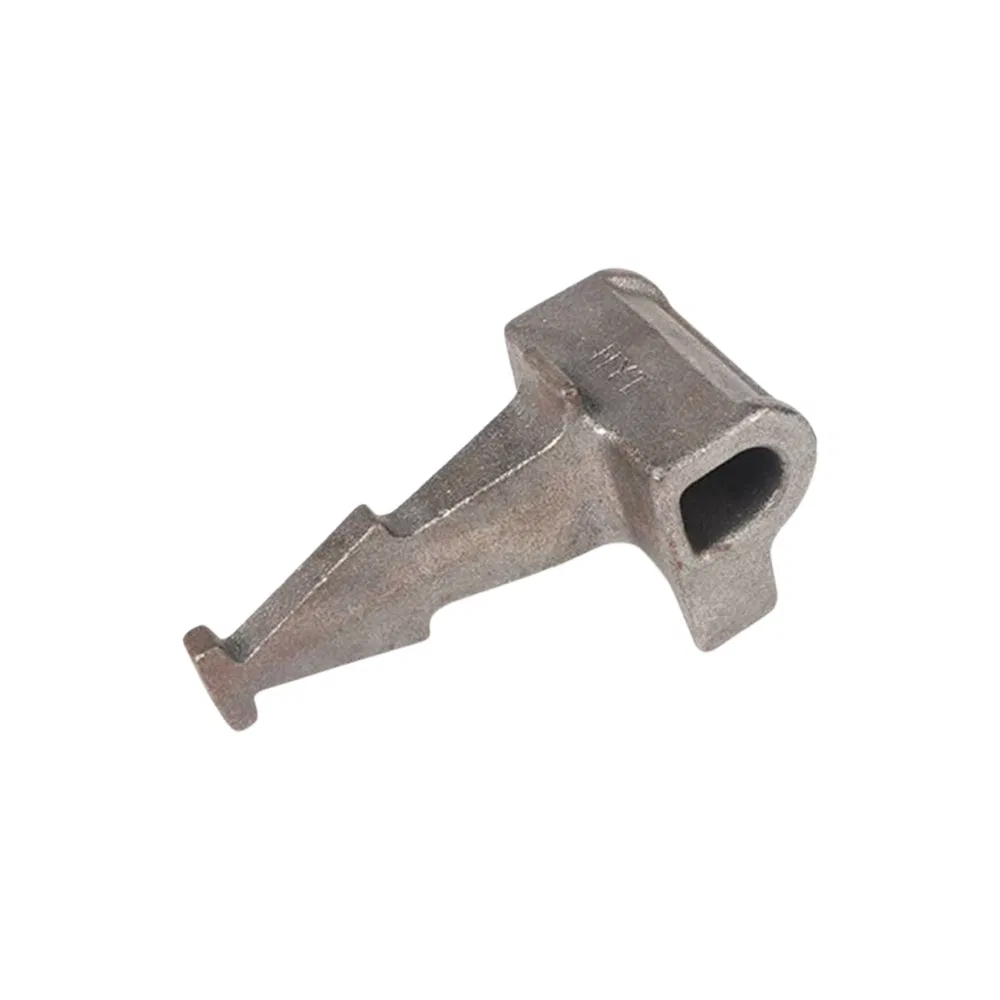
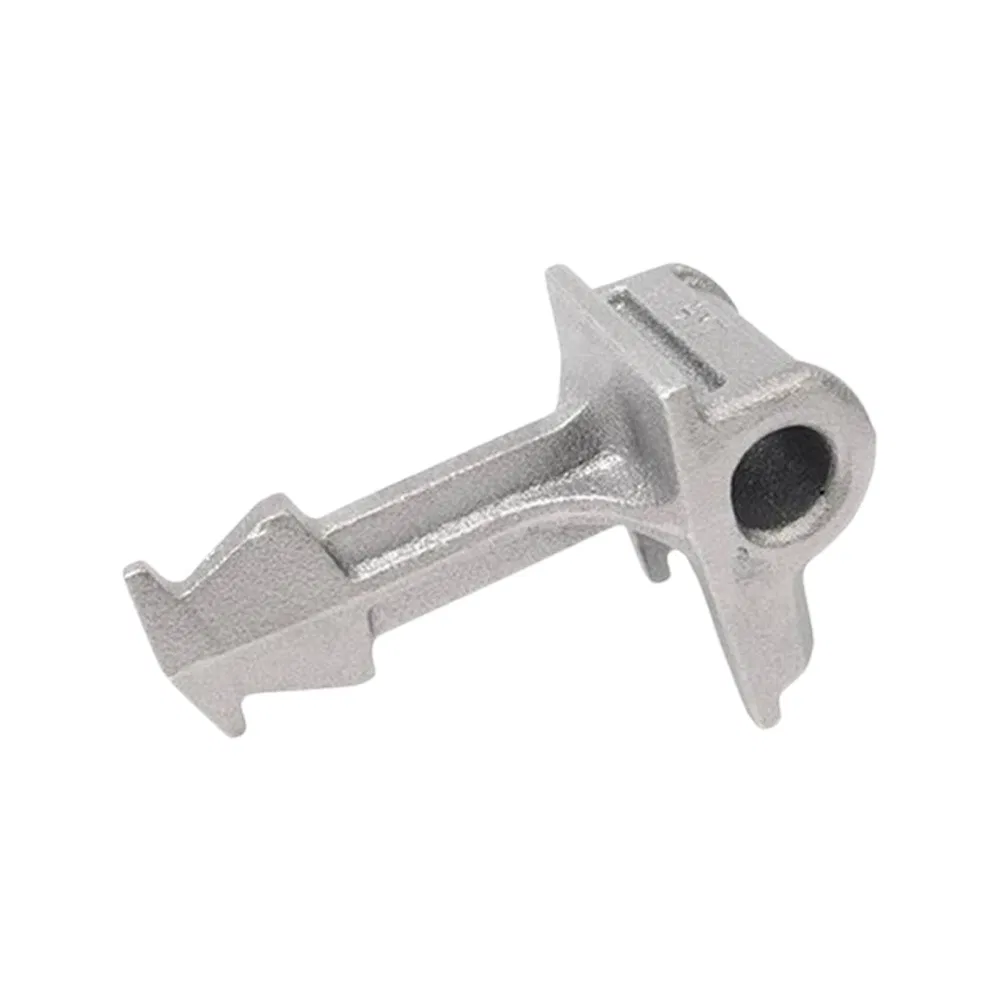
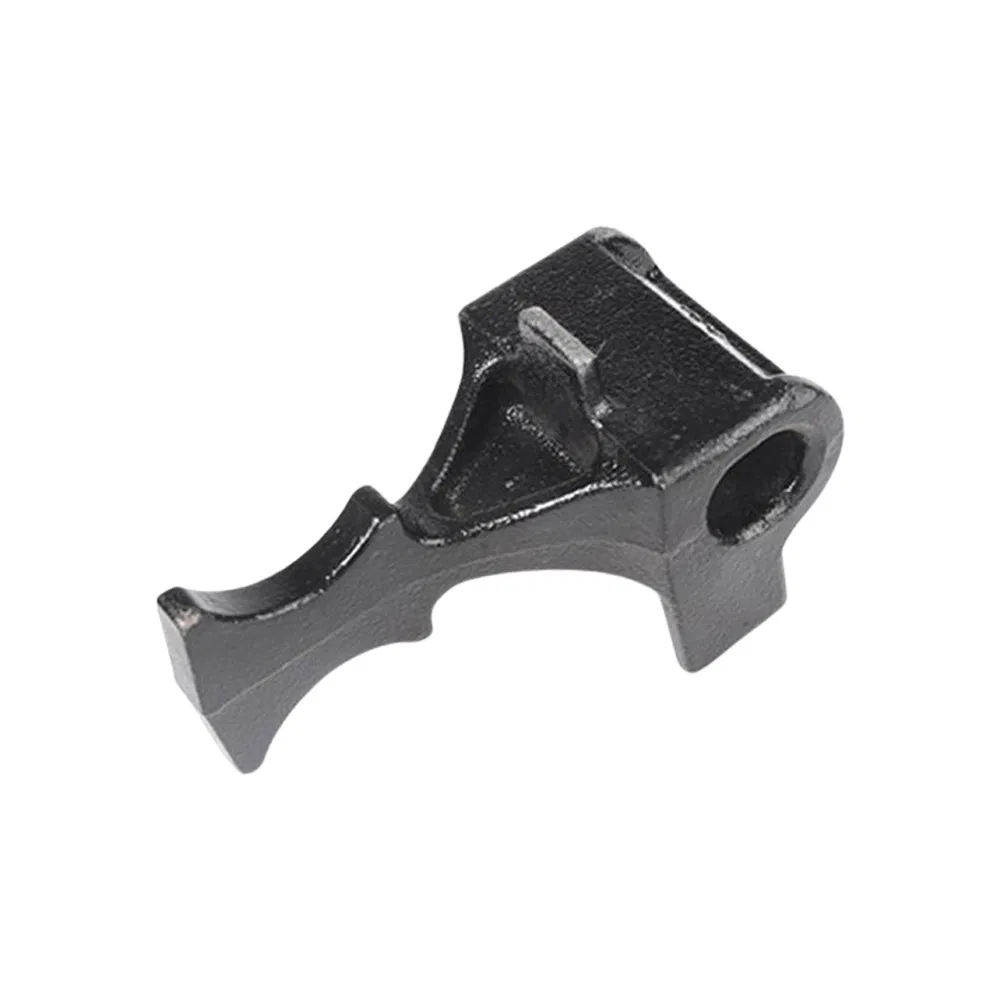
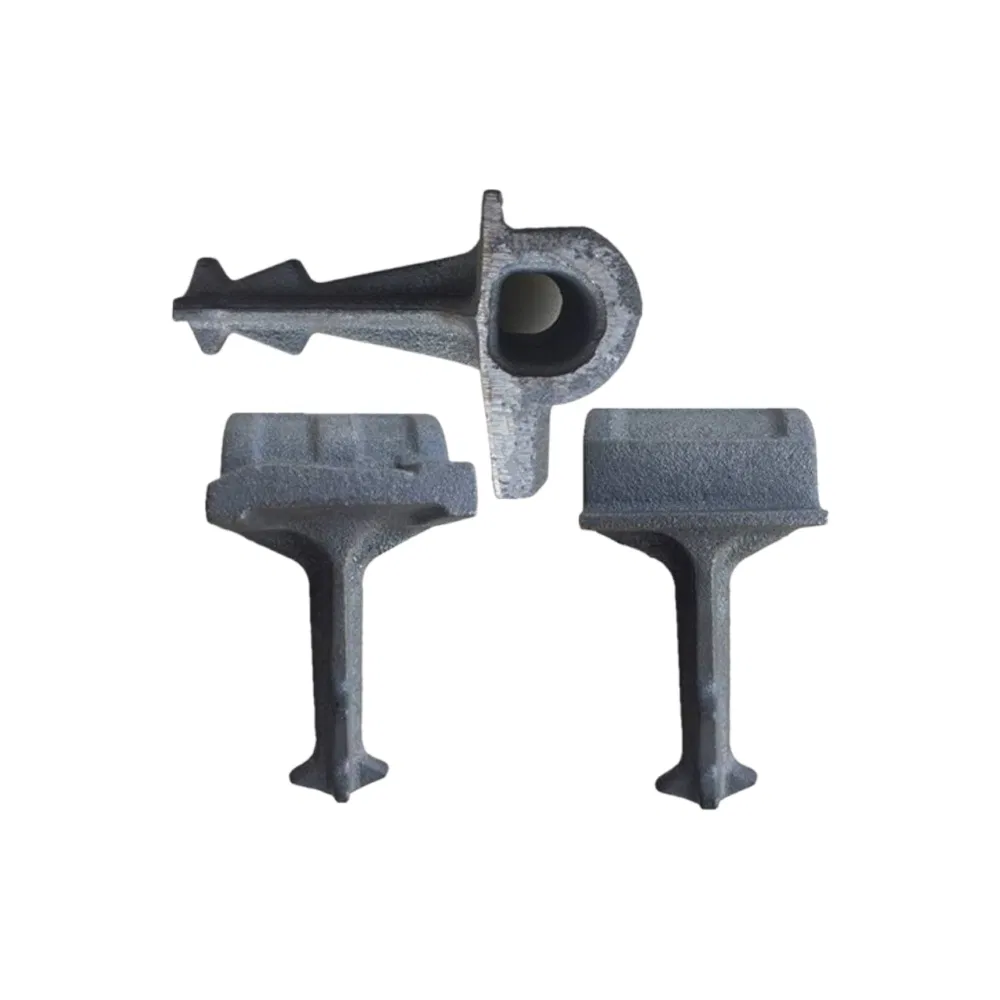
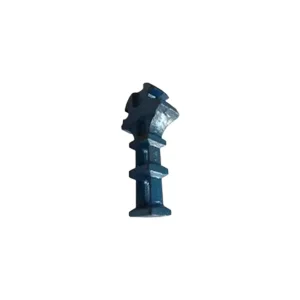
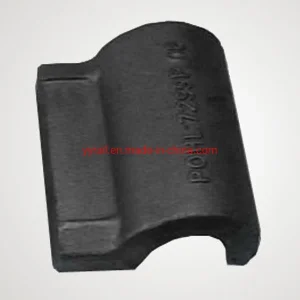
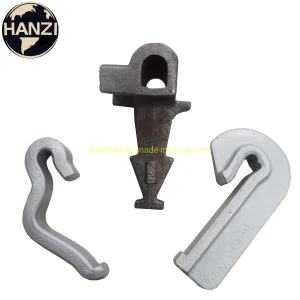
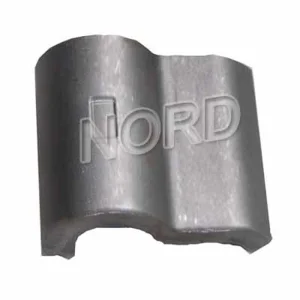
Rail shoulder is cast in the concrete rail ties to fix the elastic rail clips. There are two types of rail shoulders available: the cast-in shoulder and the weld-on rail shoulder, both used for the fixing of elastic rail clips.
| Reference Data Sheet |
| Standard |
GB 1348-88 |
GB 1348-88 |
GB 1348-89 |
| Chemical Composition (%) |
C:3.60-3.80 | Si:2.50-2.90 |
C:3.40-3.90 | Si:2.70-3.00 |
C:3.50-3.60 | Si:3.0-3.2 |
| Tensile Strength |
≥500 Mpa |
≥450 Mpa |
>400 Mpa |
| Hardness |
170~230HB |
160~210HB |
130~180HB |
| Metallographic |
Ferrite + Pearlite |
Graphite + Ferrite + Pearlite |
Ferrite |
Product Advantages
✔
High-Quality Materials: Manufactured from high-grade materials such as QT500-7 and QT450-10, ensuring exceptional strength and durability for heavy loads.
✔
Versatile Applications: Compatible with UIC54, UIC60, 50kg, and 60kg rail systems, meeting diverse regional engineering standards.
✔
Advanced Manufacturing: Utilizes hot forging and precision casting to ensure robust construction and consistent mechanical properties.
Frequently Asked Questions
1. What factors should be considered when selecting track accessories?
Key factors include compatibility with existing track systems, adherence to international quality standards, material durability based on environmental loads, and overall cost-effectiveness.
2. How is the quality of the rail shoulders ensured?
Quality is guaranteed through rigorous testing, sourcing from internationally recognized manufacturers, and full compliance with industry safety regulations.
3. Are customized solutions available for specific railway projects?
Yes, tailored products and solutions are offered based on specific project requirements and technical specifications provided by the client.
4. Is technical support available for installation?
Comprehensive technical support and after-sales services are provided, including assistance with installation, maintenance, and troubleshooting.
5. Do you provide international shipping services?
Yes, international shipping is available to various countries. Logistics and costs are arranged based on the specific destination and order volume.
6. What materials are commonly used for rail shoulders?
The shoulders are typically made from high-grade malleable iron or ductile iron (such as QT500-7 and QT450-10) for maximum mechanical strength.
 XOVEC Orthopedic Implants