Top 10 Tips for Choosing Biocompatible Orthopedic Implants?

Time:2026-07-21 Author:Isabella
0%

Choosing orthopedic implants can be daunting. The importance of biocompatibility in these devices cannot be overstated. Patients seek implants that integrate well with their body. The key question is: How to choose orthopedic implants with good biocompatibility?

Successful outcomes hinge on multiple factors. Material properties, design, and the patient's unique anatomy play significant roles. It is essential to consider the type of material used. Some materials react poorly and can cause inflammation. Research is vital to understanding these differences. Consulting with experts can help clarify uncertainties.

Not all implants are created equal. Current technologies have advanced, but challenges remain. Some patients may experience complications, leading to delays in recovery. Choosing the right implant demands careful thought and attention to detail. Trustworthy sources of information are invaluable. Ultimately, informed decisions can lead to better health outcomes.
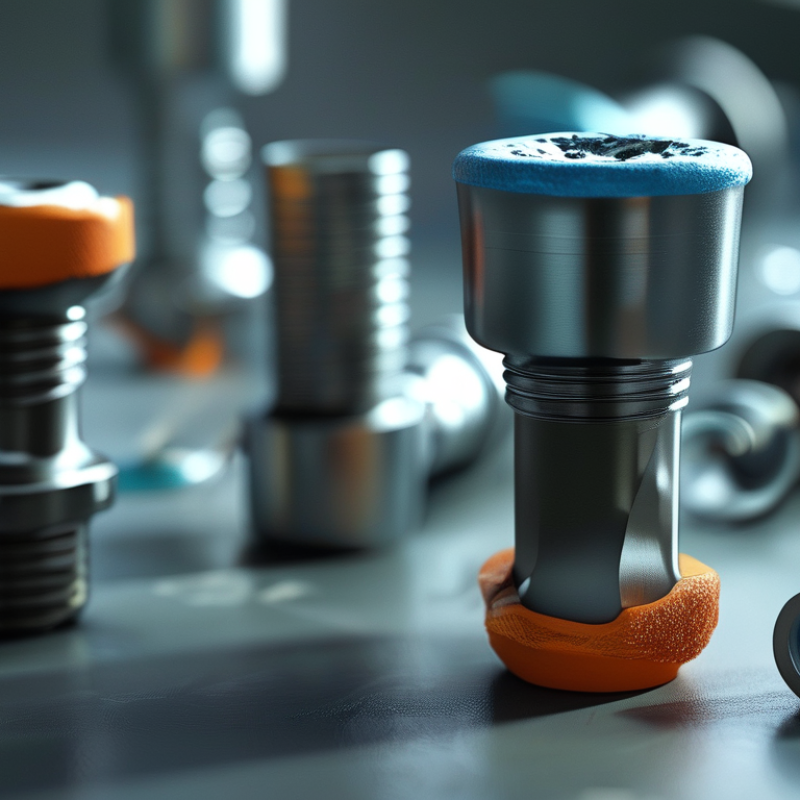
Top 10 Tips for Choosing Biocompatible Orthopedic Implants?

Understanding Biocompatibility in Orthopedic Implants

When selecting orthopedic implants, understanding biocompatibility is crucial. Biocompatibility refers to how well a material interacts with body tissues. An ideal implant must minimize adverse reactions. Medical professionals often assess materials based on cell response and inflammatory reactions. This evaluation ensures that the implant promotes healing rather than causing harm.


Consider the type of material used in the implant. Titanium and ceramics are often preferred due to their favorable compatibility. However, not every patient will respond similarly to these materials. Personalized assessments can guide better choices. Always discuss your unique situation with a qualified specialist.


Another critical factor is the design of the implant. A well-designed implant facilitates better integration with surrounding bone. It allows for optimal load distribution. This design can affect long-term outcomes. To achieve this, consult with experts who understand the importance of biomechanics in implant design. Choosing the right implant requires a balanced approach, contemplating both material and design intricacies.

Factors Influencing Material Selection for Implants

When selecting biocompatible orthopedic implants, several key factors influence material choice. Biocompatibility ensures that the material interacts positively with body tissues. A study from the Journal of Biomedical Materials Research highlights that more than 60% of implant failures are due to improper material selection. The physical properties of the material, including strength and elasticity, directly impact performance. Titanium, for example, boasts an optimal strength-to-weight ratio, making it a preferred choice in many applications.

Chemical reactivity also plays a significant role. Certain materials may provoke an inflammatory response, leading to complications. According to the International Journal of Orthopedic Research, choosing materials with lower corrosion rates and better stability significantly reduces these risks. The surrounding biological environment must be considered as well. For instance, implants placed in load-bearing areas must withstand higher stress and strain. Engineers must balance these factors while also considering cost and availability.

Moreover, the long-term compatibility of the implant with the patient’s biological system is crucial. Monitoring long-term outcomes can reveal unexpected issues. For example, while PEEK (polyether ether ketone) offers unique advantages, its inadequate mechanical properties in some cases make it less suitable for high-load applications. A comprehensive understanding of material behavior in the body is vital for improving outcomes in orthopedic surgery.

Assessing Mechanical Properties of Biocompatible Materials

When selecting biocompatible orthopedic implants, assessing the mechanical properties of materials is crucial. Mechanical properties like tensile strength, compressive strength, and elasticity influence an implant's durability. For example, an implant must withstand daily activities without breaking. It must adapt to the body’s movements and stresses to avoid complications.


Materials used, such as titanium alloys or bioresorbable polymers, each have distinct mechanical properties. Titanium is strong and lightweight. Conversely, polymers offer flexibility, which may be beneficial in certain applications. However, the trade-offs must be evaluated. A flexible polymer may not be suitable for high-load situations, while a rigid titanium implant could cause discomfort.


It's important to consider how these properties affect long-term performance. Eventually, an implant should integrate with bone and function seamlessly. If an implant fails to do so, learning from past mistakes is vital. Continuous research and feedback can lead to improvements in the design and selection process, ensuring better outcomes for patients. Choosing the right material isn't just a science; it's an ongoing journey of refinement and understanding.

Evaluating Long-term Stability and Integration of Implants

When evaluating the long-term stability and integration of biocompatible orthopedic implants, several factors come into play. Material composition is crucial. Studies indicate that titanium alloys and certain polymers demonstrate superior compatibility with human tissues. A report from the Journal of Biomedical Materials Research highlights that around 95% of titanium implants achieve osseointegration within a year.

Surface modifications enhance this integration. Roughened or coated surfaces can increase the contact area with bone. Research shows that implants with specific coatings can improve cell adhesion. This can lead to faster healing rates, often critical in patient recovery. Yet, there’s still much to understand about the ideal surface modifications and their long-term effects. Some studies suggest that excessive roughness may lead to complications like stress shielding.

Another concern is the biological response. While biocompatible materials generally minimize adverse reactions, individual variability exists. Up to 10% of patients report inflammation related to implant materials, according to an orthopedic journal. Continuous monitoring of long-term outcomes is necessary. Understanding these variables allows for better prediction of implant performance over time. Balancing excellent integration while minimizing biological risks is both an art and science. More research is needed for optimal solutions.

Safety Standards and Regulatory Considerations for Implants

When considering biocompatible orthopedic implants, safety standards play a critical role. The FDA establishes guidelines to ensure that materials are safe for human use. Reports indicate that stringent testing is vital. For instance, the American Society for Testing and Materials (ASTM) outlines procedures for evaluating implant materials, ensuring they do not elicit adverse reactions. This process can take years, underscoring the commitment to safety in the orthopedic field.

Regulatory considerations are essential for manufacturers. A study revealed that 50% of implants face scrutiny due to non-compliance with safety regulations. This highlights the importance of adhering to recognized standards. Risk assessments are necessary at each design stage, from material selection to post-market surveillance. Developers need to be vigilant, as failing to meet these criteria can result in severe consequences, both for patients and manufacturers. The continuous evolution of regulations also requires companies to stay informed and adaptable.

FAQS

: What is biocompatibility in orthopedic implants?

: Biocompatibility is how well an implant material interacts with body tissues, minimizing harmful reactions.

Why is material selection important?

Different materials, like titanium or ceramics, can affect how well the implant works for individual patients.

How does implant design impact outcomes?

A well-designed implant improves integration with bone and distributes load effectively, influencing long-term success.

What mechanical properties should be considered?

Tensile strength, compressive strength, and elasticity are key. These properties determine the implant's durability during daily activities.

How do materials differ in mechanical properties?

Titanium is strong and lightweight, while polymers are flexible but may not work under heavy loads.

Can a rigid implant cause discomfort?

Yes, overly rigid designs can lead to discomfort or complications. Balance is crucial in design choices.

How does implant failure inform future choices?

Learning from unsuccessful implants helps refine material and design selection for better patient outcomes.

Is material selection a one-time decision?

No, it is an ongoing process that involves refinement and understanding of each patient's unique needs.

Why should patients consult specialists?

Each individual's response to materials varies. Specialists can provide personalized assessments for better choices.

What role does feedback play in implant design?

Continuous feedback aids in understanding failures. This leads to improvements that enhance the success rate of implants.

Conclusion

Choosing orthopedic implants with good biocompatibility is essential for successful patient outcomes. Understanding biocompatibility involves evaluating how materials interact with biological systems, ensuring they do not elicit adverse reactions. Factors influencing material selection include the chemical composition, mechanical properties, and the implant's intended use, which ultimately affect its performance in the body.

Additionally, assessing mechanical properties is crucial, as implants must withstand physiological loads without failing. Evaluating the long-term stability and integration of implants within the body is also vital to prevent complications. Lastly, adherence to safety standards and regulatory considerations ensures that the chosen materials meet required health guidelines, contributing to both patient safety and effective healing. By carefully considering these aspects, healthcare professionals can make informed decisions on how to choose orthopedic implants with good biocompatibility.

Isabella

Isabella

Isabella is a dedicated marketing professional with a sharp focus on driving brand growth and engagement through strategic content creation. With an extensive background in digital marketing, she combines her passion for storytelling with her keen understanding of industry trends to deliver......